
NFABC Project Watchlist
NFABC monitors proposals that use “fast-track” housing laws to bypass community planning, affordability requirements, and safety standards. Below are examples of projects we’re watching — organized by the laws they leverage.
Projects Using State Housing Laws
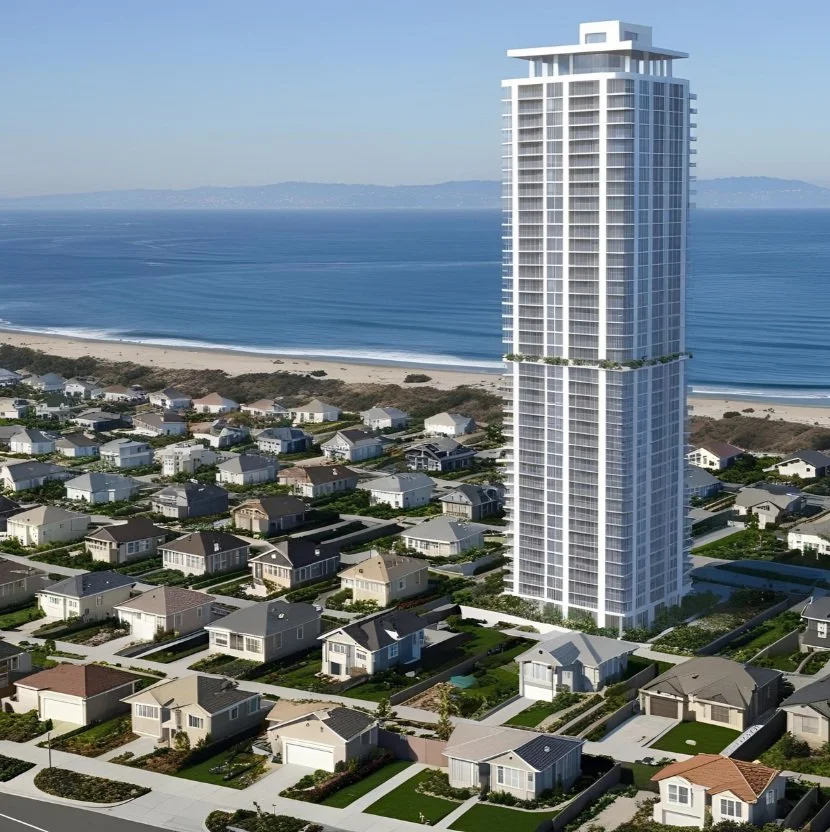
Turquoise Tower (Pacific Beach) — A 23-story high-rise towering over the 30-foot coastal height limit, with just 10 affordable units and 139 hotel rooms, threatens to redefine San Diego’s coastline forever. This project uses State Density Bonus Law to exceed local height and density limits. Raising concerns about traffic, infrastructure strain, and limited true affordability.
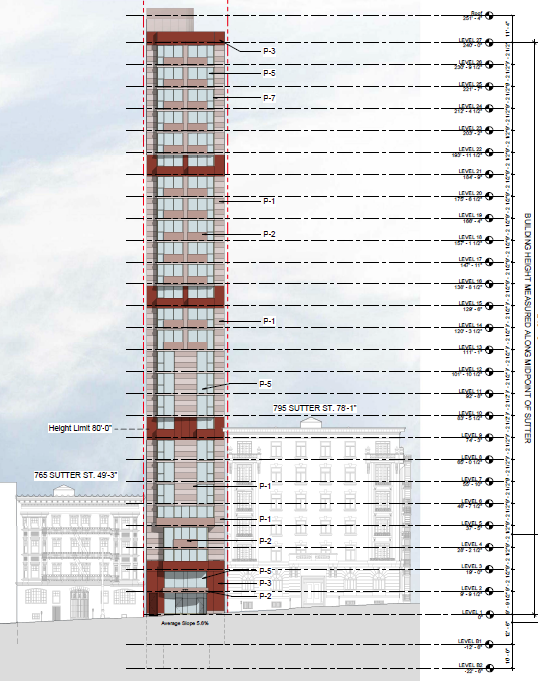
777 Sutter Street (San Francisco) — The approval of a 27-story tower at 777 Sutter under SB 423, without public hearings or CEQA review, illustrates how state streamlining laws are reshaping local planning. Communities have little opportunity to weigh in on projects of this scale.
Projects Using San Diego City Housing Laws
Marketed as a solution for affordable, family-friendly housing, the Bonus ADU program has become a developer loophole — turning single lots into mini-apartment complexes with little oversight or infrastructure planning.
Bonus ADU Program

Chalcedony & Pacifica —A dense development shoehorned into a residential street—raising questions about safety, parking, and the erosion of single-family zoning protections.

4240 Morrell St. — 30 units, 2 lots, and only 9 parking spaces. Made possible by San Diego’s aggressive ADU bonus program, this plan will overwhelm a quiet block and endanger neighborhood livability.
Marketed as a solution for affordable, family-friendly housing, the Bonus ADU program has become a developer loophole — turning single lots into mini-apartment complexes with little oversight or infrastructure planning.
Complete Communities

Columbia Street High‑Rise (Middletown / Mission Hills)
Location: 3677–3687 Columbia Street, Middletown / Mission Hills, San Diego
Project Description (original proposal):
14‑story, approx. 172-foot‑tall residential building.
161 apartment units.
The site was comprised of a single‑family home and a smaller two‑story apartment building (with 3 affordable units) prior to acquisition.
The developer reportedly invoked Complete Communities’ flexible rules to exceed base‑zoning height and setback limits and to allow for a high‑density high‑rise in a historically low‑rise neighborhood.
Community Impacts / Concerns / Criticisms:
Zoning & neighborhood scale: The building height and bulk vastly exceed the 40‑foot / low‑rise context typical for the hillside neighborhood — the tower would dominate surrounding historic homes and apartments.
Affordable housing shortfall: Only 6 units out of 161 would be designated “affordable” under the plan — while the existing affordable units on the site (and smaller-scale housing) would be demolished.
Safety / emergency access concerns: The development sits on a steep, narrow, hillside street (a one‑lane / divided road) — neighbors and local safety advocates argue this violates fire‑ and emergency‑access standards under the city’s usual code; yet the project seeks waivers under Complete Communities.
Parking, traffic, congestion: The proposal includes limited parking (only ~70 parking spaces for 161 units) while existing on-street parking would be reduced (fire lane removal of existing curb‑side parking), raising concerns for both residents and nearby businesses.
Historic character & community input bypass: Because the development is proceeding under the ministerial track of Complete Communities, the usual community‑planning group review, public comment or appeal process is bypassed — many neighbors say this silences resident voice and undermines historic‑neighborhood preservation.
Environmental & geological risk: The site lies on or near the mapped fault zone of the Rose Canyon Fault, raising serious earthquake / fault‑line hazard concerns. Critics argue that building a 14‑story residential tower there violates long‑standing constraints under state fault‑zone and safety laws.
Regulatory / Status Notes:
The original 14‑story / 161‑unit design has reportedly been pulled back by the developer after substantial community pushback and protest.
The developer has indicated they will submit a “redesign” in hopes of reaching a compromise.
As of recent reporting, no new plan has been publicly unveiled; the project remains controversial and opposed by neighborhood advocacy groups.
Why NFABC is Tracking This:
This is a prime example of how Complete Communities (meant to promote density/housing near transit) can be used to push high‑density, high‑rise developments in historic low‑rise neighborhoods — potentially sacrificing affordability, safety, community character, and resident voice.
The project highlights tensions between increasing housing supply and preserving livability, safety, and fairness — central to NFABC’s mission of “responsible growth, stronger communities, and balanced solutions.”
The Columbia Street proposal offers a cautionary case study that can guide future advocacy: developers may use state/city‑level incentives to bypass local controls, and oversight/advocacy is needed to ensure actual affordable housing, safety, and community benefits accompany any density increases.
A Street 8‑Story Development
Location: 2935–2961 A Street, Golden Hill, San Diego
Project Description:
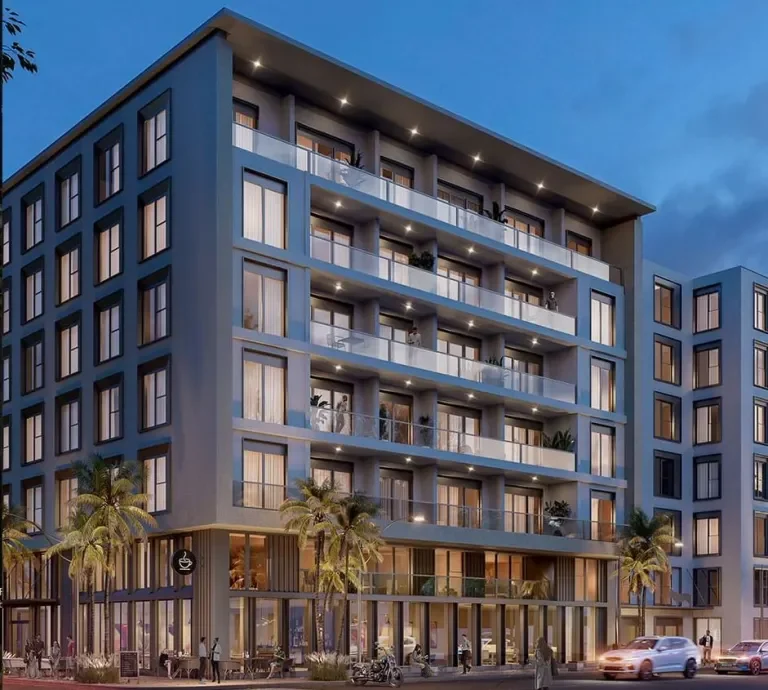
8-story, 180–186 unit multifamily apartment building
Far exceeds local community plan height limit (3 stories)
Uses Complete Communities ministerial approval to bypass some traditional planning reviews
Community Impacts / Concerns:
Affordable housing: Only ~4% of units designated affordable; demolishes several existing affordable units and historic homes
Neighborhood character: Height and scale out of context with 3–4 story historic neighborhood
Safety & infrastructure: Concerns over fire risk, evacuation routes, traffic, and narrow streets
Community process: Limited public input due to ministerial approval process
Legal / Regulatory Status:
Lawsuit filed by neighbors / advocacy group (Preserve Greater Golden Hill)
Temporary restraining order (TRO) granted October 17, 2025, halting construction
What to Watch:
Outcome of the lawsuit and potential precedent for other Complete Communities projects in San Diego

Support our fight
Together, We Can Protect the Places We Call Home
NFABC relies on grassroots support to challenge state-driven projects that put our neighborhoods at risk.
Every donation helps us defend our communities, preserve safety, and restore local authority.